How to Tell the Difference Between Wasps, Yellow
Jackets, and Carpenter Bees
Learn how to tell the difference between wasps, yellow jackets, and carpenter bees with this
helpful guide from Wolverine Pest Control in Eaton Rapids, MI. We'll cover the key physical
differences between these stinging insects and their behavior and nesting habits. So, whether
you're just curious or worried about a nest on your property, read on for all the information you
need.Wasps, yellow jackets, and carpenter bees are all stinging insects in North America. They are all
related, but some key differences between them can help you identify them.
BEES VS. YELLOWJACKETS: WHAT’S THE DIFFERENCE?
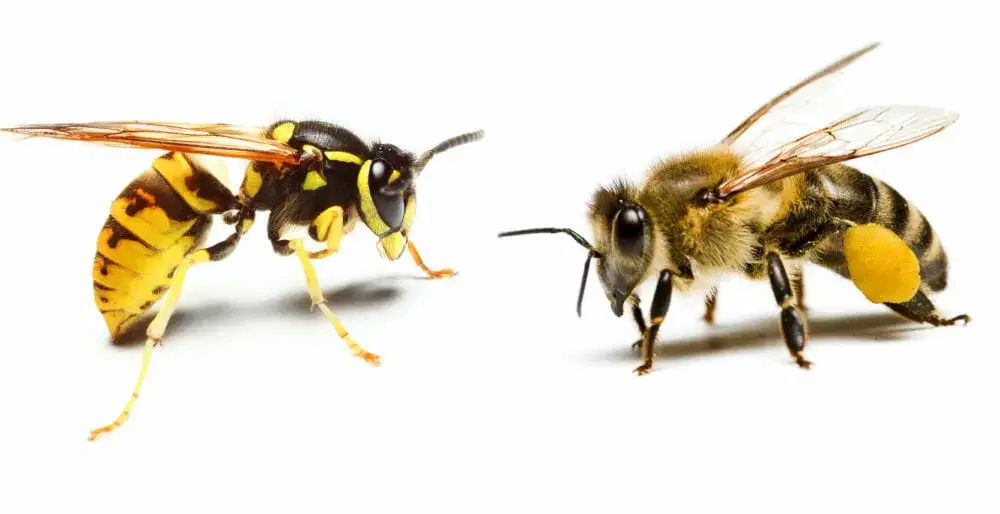
While wasps and bees are both stinging insects, there are some important distinctions between them. Bees are typically docile and will only sting if they feel threatened. Yellowjackets, on the
other hand, are more aggressive and may sting without provocation.Another key difference between bees and yellowjackets is their ability to sting. Bees
can only sting once, as their stinger is barbed, and they will die after they
sting. Yellowjackets, on the other hand, can sting multiple times. If you are concerned about
wasps or yellow jackets, it is important to be able to tell them apart. Bees are typically hairier
than yellow jackets and have a more rounded abdomen. Yellowjackets have a thinner waist and a
slenderer abdomen. If you see a wasp or yellowjacket, it is best to avoid it. If you are stung, seek.
medical attention immediately.
Wasps
- Have a narrow “waist” between the thorax and abdomen.
- Are typically black or yellow with black markings.
- Have smooth, hairless bodies.
- Build nests out of paper, often in trees, shrubs, or eaves.
- Are known for their aggressive behavior and can sting multiple times.
Yellow Jackets
- Are similar to wasps, but they are typically yellower and have a slenderer body.
- Build nests underground, in hollow logs, or in abandoned buildings.
- Are known for their scavenging behavior and will often eat food scraps or dead animals.
- Can be aggressive, but they are not as aggressive as wasps.
Carpenter Bees
- Are large, black bees with a shiny abdomen.
- Have a thick, hairless body.
- Do not have a “waist” between the thorax and abdomen.
- Build nests in wood, often in dead trees or fence posts.
- Are not aggressive and will only sting if they are provoked.
Here is a table that summarizes the key differences between wasps,
yellow jackets, and carpenter bees:
| Feature | Wasp | Yellow Jacket | Carpenter Bee |
|---|---|---|---|
| Waist | Yes | Yes | No |
| Body color | Black or yellow with black markings | Yellow or black with yellow markings | Black with a shiny abdomen |
| Body hair |
Smooth, hairless | Smooth, hairless | Thick, hairless |
| Nest | Paper, often in trees, shrubs, or eaves |
Underground, in hollow logs, or in abandoned buildings |
Wood, often in dead trees or fence posts |
| Behavior | Aggressive | Not as aggressive | Not aggressive |
If you are unsure whether you have encountered a wasp, yellow jacket, or carpenter bee, it is best
to err on the side of caution and avoid contact. If you are stung, seek medical attention
immediately.
HOW TO TELL YELLOWJACKETS FROM BEES
Yellowjackets and bees are both stinging insects, but they have some key physical and
behavioral differences.Yellowjackets have a more slender body with a “waist,” while bees have a more rounded
abdomen. Yellowjackets also have hairier bodies than bees, and they may have a pollen
basket on their hind legs.In terms of behavior, bees are typically docile and will only sting if they feel threatened.
Yellowjackets, on the other hand, are more aggressive and may sting without
provocation. Bees are also more likely to be seen flying in lazy circles around flowering
plants, while yellowjackets are more likely to be seen darting to and from their nests.If you see a few honey bees around your flowers, you shouldn't be alarmed. However, if
you spot yellowjackets, it's best to be cautious. Yellowjackets are attracted to food and
garbage, so it's important to keep these things away from your home. If you do get
stung by a yellowjacket, seek medical attention immediately.
TREATING DIFFERENT TYPES OF STINGS
If you are stung by a bee or wasp, there are a few home remedies that you can try to
reduce your pain or discomfort.
- Remove the stinger as soon as possible. You can do this by scraping it out with a
credit card or tweezers. - Wash the sting site with soap and water. This will help to remove any remaining
venom. - Apply a cold compress to the sting site. This will help to reduce swelling and
pain. - You can also try applying a paste of baking soda and water to the sting site. This
will help to neutralize the venom.
It is important to note that these home remedies are only for mild stings. If you
experience any of the following symptoms, you should seek medical attention
immediately:
- Hives
- Trouble breathing
- A swollen tongue
- Severe pain
- Chest pain
If you are allergic to bee or wasp stings, you should always carry an EpiPen with you.
An EpiPen is a device that can deliver a dose of epinephrine, which can help to prevent
a severe allergic reaction.
WHAT TO DO IF BEES, YELLOWJACKETS, OR OTHER WASPS
BECOME PESTS ON YOUR PROPERTY
If you see a lot of wasps around your yard, it's likely that they have a nest nearby.
Yellowjacket nests can be found in holes in the ground, trees, shrubs, or even your attic.
Honeybees and yellowjackets will also occasionally nest inside wall voids.If you find a nest, it's best to call a professional pest control company to remove it. This
is for your own safety, as wasps can be aggressive and can sting multiple times. If you
have someone in your household who is allergic to stings, it's especially important to
have the nest removed by a professional pest control company near you.While it's understandable to be wary of wasps and bees, both creatures play an
important role in the environment. Honeybees pollinate flowers, fruit trees, and other
important plants. Wasps consume flies, aphids, and other insects, which can help
reduce the population of insect pests.Of course, if you've ever been stung by a yellow jacket, you probably hope that wasps
will continue to chase their prey at a distance from you.
If you want to rid your home of stinging insects effectively, safely, and humanely, you can call us here at (517) 999-5008 for immediate assistance.